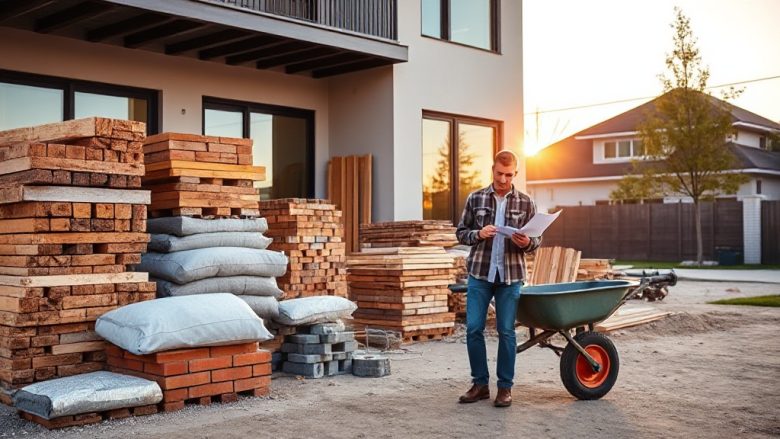
Cutting material costs is not about buying the cheapest option—it is about knowing where you can save and where you absolutely cannot. This guide shows you the safe trade-offs. If you are planning a renovation with limited funds, the fear of making a costly mistake can be paralysing. You want to save money, but you also do not want your walls to sag or your floor to bounce. The good news is that you can reduce your spend significantly without compromising the structural integrity of your home. The secret is to understand the difference between cosmetic savings and structural savings, and to apply a few smart strategies that keep your project safe and your wallet happy.
Where Cheap Becomes Dangerous: Structural Materials You Should Never Skimp On
Before we talk about saving, let us be clear about where you cannot save. Structural materials are the bones of your home. They carry the load, resist wind and earthquakes, and keep your roof over your head. If you cut corners here, you are not just risking a cosmetic flaw; you are risking your safety and the long-term value of your property.
The first rule of construction materials on a tight budget is to never compromise on the following:
- Lumber for load-bearing walls, beams, and headers: Always use the grade and species specified by your engineer or building code. A cheaper, lower-grade stud might be fine for a non-load-bearing partition, but it is a disaster waiting to happen in a structural wall. Look for stamps like “Stud Grade” or “No. 2” and do not substitute with utility grade.
- Concrete and rebar for foundations: The strength of your concrete mix and the size and placement of rebar are critical. Saving a few pounds by using a weaker mix or skipping rebar can lead to cracks, settlement, and even failure. Always order from a reputable supplier and follow the engineer’s specifications exactly.
- Structural screws, nails, and connectors: Those shiny metal plates and screws that hold your framing together are engineered for specific loads. Using generic drywall screws or undersized nails is a common and dangerous mistake. Buy the correct structural fasteners, even if they cost a bit more.
- Roofing underlayment and flashing: Water is your home’s worst enemy. Cheap underlayment can tear or degrade, and inadequate flashing leads to leaks and rot. This is not the place to save a few pounds per roll.
If you are ever unsure about a material’s structural role, ask a qualified builder or your local building inspector. A short conversation can save you thousands in repairs and keep your family safe.
Five Safe Cost-Saving Strategies for Your Renovation
Now that we know what not to do, let us look at where you can save. These five strategies are proven ways to reduce your material costs without touching the structural essentials.
1. Buy Salvaged and Reclaimed Materials—With Caution
Salvage yards, architectural reclamation centres, and online marketplaces are goldmines for budget renovators. You can find solid wood doors, bricks, timber beams, tiles, and even plumbing fixtures at a fraction of the retail price. However, not all salvaged materials are safe or suitable.
When considering salvaged lumber, inspect it for rot, insect damage, and excessive knots. Avoid any wood that is soft, crumbly, or has visible fungal growth. For bricks, check for spalling (flaking) and ensure they are not painted with lead-based paint if you plan to sand them. Salvaged windows and doors should have intact frames and no cracked glass. Always clean and treat salvaged materials before installation, and never use salvaged structural lumber unless it has been graded by a qualified professional.
2. Consider Alternative Materials That Meet Code
Sometimes, a different material can do the same job for less. For example, engineered wood products like oriented strand board (OSB) or plywood can be cheaper than solid lumber for sheathing and subfloors, and they are often stronger and more dimensionally stable. For interior walls, metal studs can be a cost-effective alternative to wood in some areas, especially where fire resistance is required. For flooring, luxury vinyl tile (LVT) or laminate can mimic the look of hardwood or stone at a much lower cost, and they are durable and easy to install.
Just make sure any alternative you choose is approved for your specific application and meets local building codes. What works in one climate or for one load might not work in another.
3. Buy in Bulk and Negotiate
If your project requires a large quantity of a particular material—say, drywall, insulation, or paint—buying in bulk can yield significant savings. Many suppliers offer discounts for full pallets or large orders. Do not be afraid to ask for a trade discount, even if you are a DIYer. Tell them you are buying for a full renovation and see what they can do. Also, compare prices between local lumber yards, big box stores, and online suppliers. Sometimes, the smaller yard will match a competitor’s price to win your business.
Another trick is to coordinate your purchases with a neighbour or friend who is also renovating. Combining orders can get you into a higher discount tier.
4. Time Your Purchases and Watch for Sales
Building materials often go on sale during certain seasons. For example, outdoor project materials like decking and fencing may be discounted in late summer or autumn. Insulation and windows might be on sale in spring and autumn. Sign up for newsletters from your local suppliers and keep an eye on their flyers. End-of-season clearances can be a goldmine for non-structural items.
However, be careful not to buy something just because it is on sale. Only purchase what you need for your project. Stockpiling materials you might not use is not a saving; it is a waste of money and space.
5. Reuse and Repurpose Materials On-Site
Before you demolish, think about what you can salvage from your own home. Old floorboards can be refinished and reused. Bricks from a removed wall can be cleaned and used for a patio or garden path. Cabinets can be painted and given new hardware. Even old timber can be repurposed for non-structural elements like shelving or decorative beams.
This strategy not only saves money but also reduces waste and adds character to your renovation. Just be sure to remove nails and screws carefully and inspect for any hidden damage.
Your Checklist for Evaluating Salvaged Materials
If you decide to go the salvage route, use this checklist to avoid costly mistakes. Print it out and take it with you when you shop.
- Source: Where did the material come from? Was it from a dry, protected environment or exposed to the elements?
- Condition: Look for cracks, rot, warping, insect holes, rust, or corrosion. Is the damage superficial or does it go deep?
- Strength: For structural items, can you verify the grade or load capacity? If not, do not use it structurally.
- Dimensions: Will it fit your project? Can it be cut down without losing its integrity?
- Compatibility: Will it work with your existing materials and systems? For example, old plumbing fixtures may not fit modern pipes.
- Code Compliance: Does it meet current building codes? Some older materials, like lead paint or asbestos, are hazardous and illegal to reuse.
- Cost: Is the price actually lower than new, considering the time and effort to clean, repair, and install it?
If you can tick all these boxes, you have found a safe bargain. If not, walk away. There will be other opportunities.
Frequently Asked Questions
Can I use salvaged lumber for structural framing?
Only if it has been properly graded by a qualified inspector. Salvaged lumber often lacks grade stamps, and its strength may be compromised by age or previous use. Without a grade, you cannot know its load-bearing capacity. It is safer to use salvaged lumber for non-structural purposes like shelving, trim, or furniture.
Is it cheaper to buy materials online or from a local store?
It depends on the material and quantity. Online suppliers may offer lower prices for bulk orders, but you need to factor in delivery costs and the risk of damage during shipping. Local stores let you inspect the material before buying and often have competitive prices for smaller quantities. Always compare total costs, including delivery and returns.
How can I tell if a salvaged brick is safe to use?
Check for spalling, which is when the brick surface flakes off. This indicates the brick has absorbed too much water and will continue to deteriorate. Also, avoid bricks with mortar that contains asbestos (common in older buildings) or lead paint. If the brick is solid, clean, and free of cracks, it can be reused for non-structural applications like paving or garden walls.
What are the risks of buying cheap structural screws?
Cheap screws may be made from low-grade steel that can shear or snap under load. They may also lack the corrosion resistance needed for treated lumber or outdoor use. Always buy screws that are specifically rated for structural applications and meet the requirements of your building code. The few pounds you save are not worth the risk of a failed connection.
Can I mix my own concrete to save money?
Mixing your own concrete from cement, sand, and gravel can be cheaper for small projects, but it is labour-intensive and the quality can vary. For structural elements like foundations or slabs, it is best to order ready-mix concrete from a supplier to ensure the correct strength and consistency. For small jobs like setting fence posts, mixing your own is fine if you follow the correct ratios.
Renovating on a tight budget is challenging, but it is entirely possible to build a safe, beautiful home without breaking the bank. Focus your savings on cosmetic finishes, salvage where you can, and never compromise on the materials that hold your home together. With careful planning and a little creativity, you can achieve your renovation goals while keeping your finances in check.